3.5 billion years in the making.Organicin Scientific

THEODYSSEY.

Before we understood bacteria,
they were already changing the world.

Follow the discoveries that brought an invisible world into focus, and the natural defenses that inspire Organicin today.

Begin the journeySix chapters. One continuing story.
013.5 billion — 407 million years ago

Origins

Long before people, plants, or animals, microscopic life was already changing the planet.

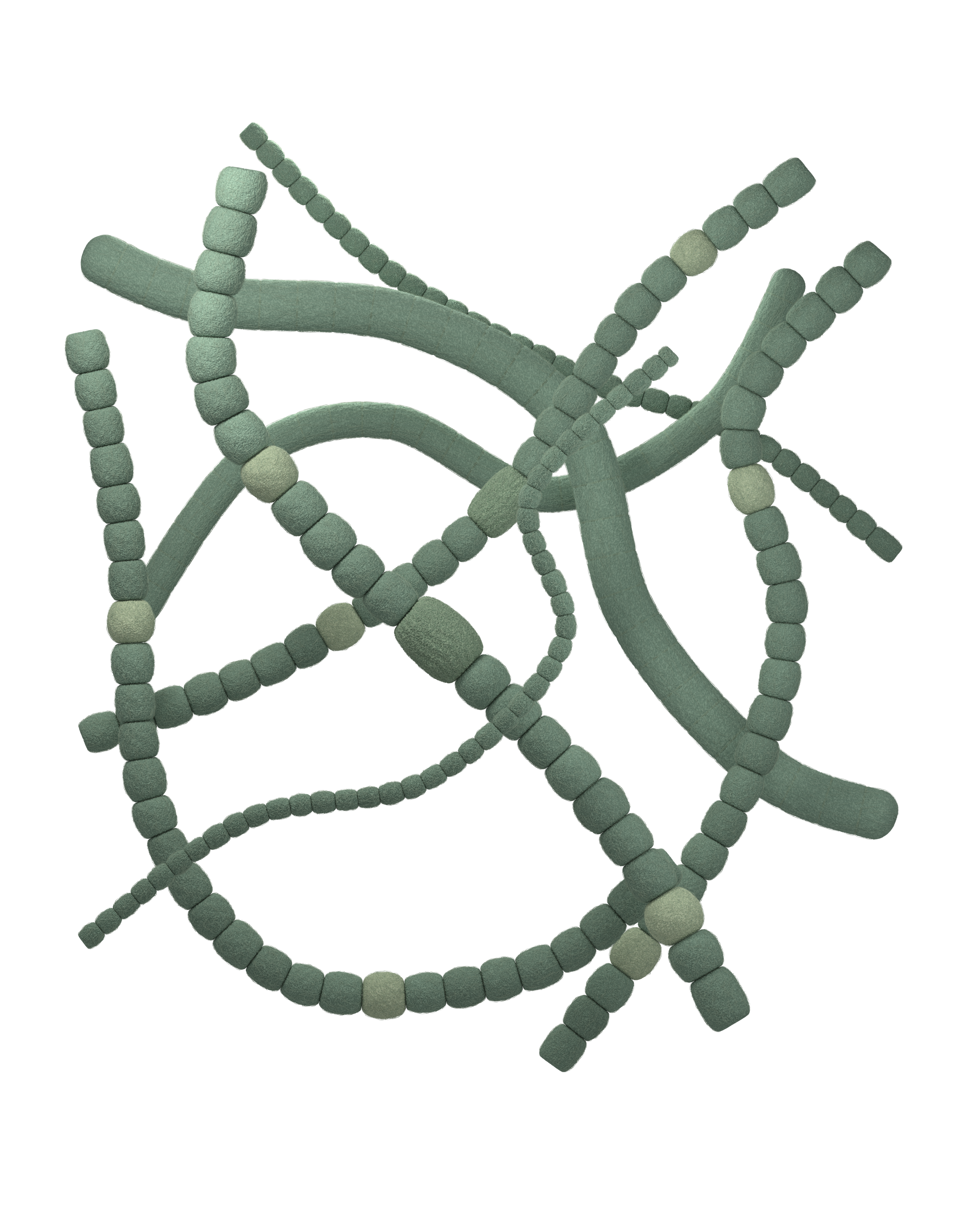
Life, at its smallest.An interwoven community of cyanobacteria.
3.5 billion years ago

A world built by microbes.

Ancient microbial communities leave layered structures called stromatolites in the rocks of Western Australia. These traces offer a glimpse of life thriving on a young Earth, billions of years before our own arrival.

NASA · Ancient microbial life
Around 2.4 billion years ago

The atmosphere changes.

Oxygen begins to accumulate in the atmosphere during the Great Oxidation Event. Photosynthetic microbes help drive this transformation, changing ocean chemistry and creating new possibilities for life that can use oxygen.

Around 540 million years ago

Life becomes more complex.

During the Cambrian diversification, animal life expands into a remarkable variety of forms. Shells, skeletons, and burrowing animals reshape marine habitats, adding new layers to ecosystems that already have a long microbial history.

Smithsonian · Early life on Earth
Around 407 million years ago

Microbes thrive on land.

Minerals deposited by hot springs in what is now Scotland preserve a community of early land plants, animals, and microorganisms. The Rhynie chert captures colonies of cyanobacteria among them, revealing how these ancient photosynthetic organisms were part of life on land.

Geological Magazine · Cyanobacteria in the Rhynie chert
027000 BCE — 1683

The Unseen

We experienced the effects of microbes for millennia before we had the tools to see them.

An invisible world.From intuition to observation.
Around 7000 BCE

Working with invisible life.

Pottery from Jiahu, China, preserves evidence of a fermented drink made from rice, honey, and fruit. People are already putting microbial activity to work, long before anyone understands the organisms behind fermentation.

PNAS · Ancient fermented beverages
1546

An idea of contagion.

Girolamo Fracastoro proposes that disease can pass between people through tiny transferable seeds. His explanation gives contagion a physical mechanism centuries before the organisms responsible for infection can be identified.

Wellcome Collection · De contagione
1665

A closer look.

Robert Hooke publishes Micrographia, sharing detailed observations made through a microscope. Familiar objects reveal unfamiliar structures, helping establish microscopy as a way to investigate a world beyond the reach of ordinary sight.

Royal Society · Micrographia and its origins
1676

The invisible comes into view.

Antonie van Leeuwenhoek describes tiny living organisms in water and pepper infusions in a letter to the Royal Society. His meticulous observations open a new field of discovery: a world filled with microscopic life.

Royal Society · Leeuwenhoek’s original letter
1683

The invisible world is part of us.

Antonie van Leeuwenhoek examines deposits from human teeth and finds tiny living organisms. In a letter to the Royal Society, he describes bacteria living around our teeth. His observations offer an early glimpse of the microscopic life that shares our bodies.

Royal Society · Bacteria on our teeth
031847 — 1882

Germ Theory

Observation becomes explanation. Scientists begin connecting specific microbes with disease, and those discoveries change everyday care.

Seeing changes everything.Evidence transforms our understanding.
1847

Clean hands save lives.

Ignaz Semmelweis introduces hand disinfection with a chlorinated lime solution in a maternity clinic. Deaths from childbed fever fall sharply, demonstrating the value of hand hygiene before a complete microbial explanation is available.

WHO & UNICEF · The history of hand hygiene
1854

Following the evidence.

John Snow investigates a London cholera outbreak by tracing cases and drinking-water sources. His work links disease to the Broad Street pump and shows how careful population-level evidence can guide public health action.

CDC · John Snow and the pump handle
1861–1862

Microbes come from microbes.

Louis Pasteur’s swan-neck flask experiments show that heated broth stays clear when airborne particles cannot reach it. Microbial growth follows contamination, challenging the idea that life appears spontaneously in decaying material.

Institut Pasteur · Spontaneous generation
1867

Surgery meets microbiology.

Joseph Lister publishes his antiseptic approach to surgery, using carbolic acid to reduce wound contamination. Pasteur’s work now has a practical consequence: controlling microbes can make surgical care much safer.

BMJ · Lister’s original paper
1876

A cause can be tested.

Robert Koch demonstrates that the anthrax bacterium can be grown and can cause anthrax in animals. His experiments strengthen the connection between a particular microorganism and a particular disease, giving germ theory an experimental foundation.

1882

Tuberculosis has a name.

Koch identifies the bacterium responsible for tuberculosis. A devastating disease now has a specific biological cause that researchers can study, helping shift medicine toward identifying and targeting the organisms behind infection.

Nobel Prize · The tuberculosis discovery
041910 — 2021

Antibiotic Age

Natural molecules transform medicine. New tools then let us read, compare, and understand the biology behind them.

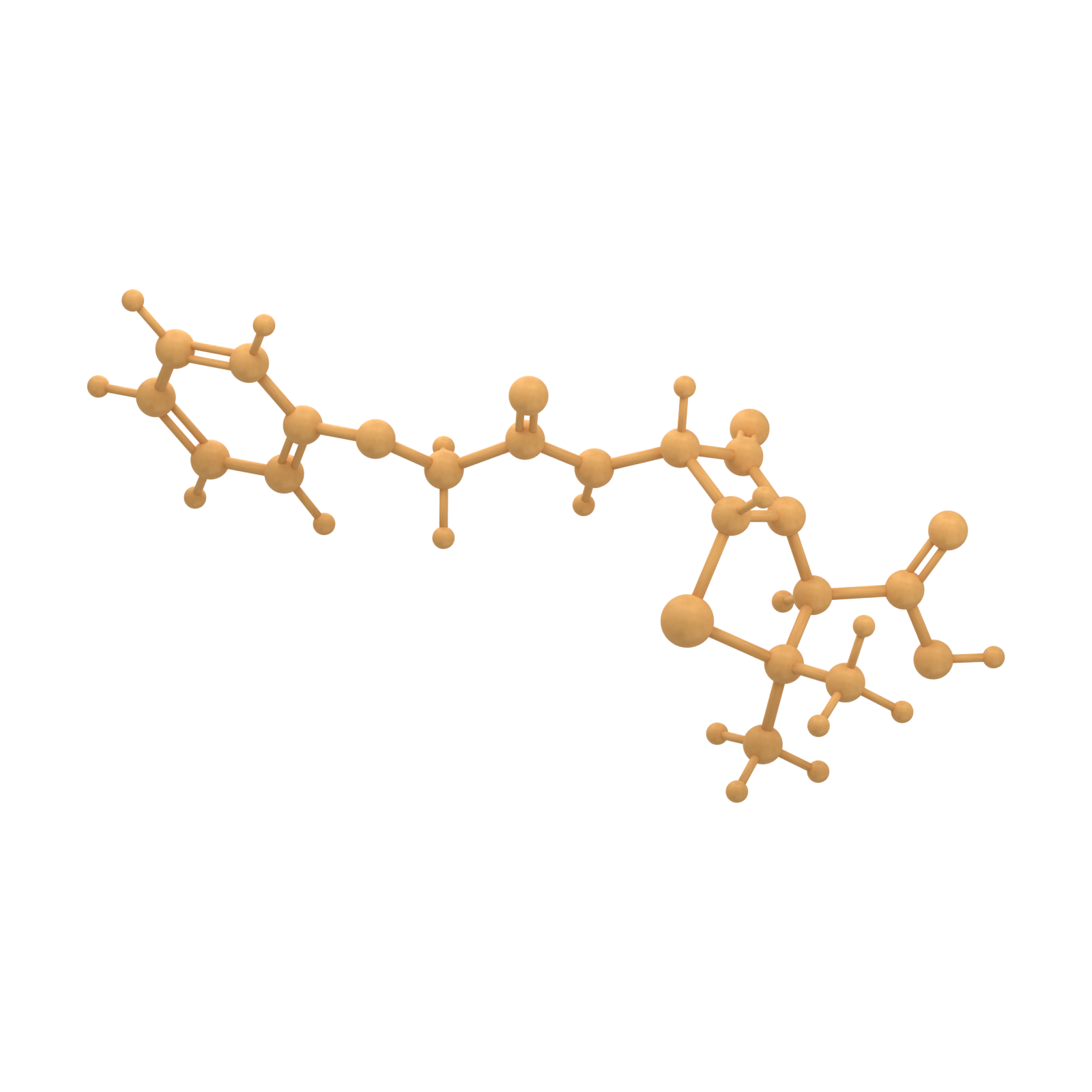
Nature makes antimicrobials.Penicillin V, a ball-and-stick model.
1910

A chemical route to treatment.

Paul Ehrlich and Sahachiro Hata introduce Salvarsan for syphilis. Their systematic search for compounds that act against the infection helps establish the idea that a medicine can be selected for a specific biological target.

German Historical Museum · Paul Ehrlich
1925

Bacteria have their own defenses.

André Gratia discovers an antibacterial substance produced by a strain of Escherichia coli. The finding becomes known as colicin V and introduces scientists to bacteriocins: molecules bacteria produce to act against other bacteria.

1928

Bacteria can acquire new traits.

Frederick Griffith shows that material from one form of pneumococcus can transform another. The experiment reveals that bacterial characteristics can be transferred, laying groundwork for later discoveries about DNA and inheritance.

Journal of Hygiene · Griffith’s original study
1928

A chance encounter with penicillin.

Alexander Fleming notices a clear zone around a contaminating mold on a bacterial culture plate. The mold releases a substance that stops bacterial growth. He calls it penicillin, beginning a discovery that will transform medicine.

Nobel Prize · Fleming and penicillin
1932

The sulfa drugs arrive.

Gerhard Domagk and colleagues demonstrate the antibacterial effects of Prontosil in animal experiments. The work leads to sulfonamide medicines, expanding the possibilities for treating bacterial infections with carefully selected chemical compounds.

Nobel Prize · Gerhard Domagk
1943

A breakthrough from the soil.

Albert Schatz discovers streptomycin in Selman Waksman’s laboratory at Rutgers; Schatz, Elizabeth Bugie, and Waksman publish the findings. Produced by a soil microorganism, it becomes the first effective antibiotic treatment for tuberculosis.

Rutgers · The discovery of streptomycin
1945

From discovery to medicine.

Fleming, Ernst Chain, and Howard Florey share the Nobel Prize for penicillin and its effects against infectious disease. Their work represents the long path from observing an antibacterial molecule to making it useful as a medicine.

Nobel Prize · The 1945 award
1951

Proteins take shape.

Linus Pauling, Robert Corey, and Herman Branson describe the alpha helix. Their work reveals how hydrogen bonds can organize a protein chain into a repeating structure, connecting molecular chemistry with biological form.

PNAS · The original alpha-helix paper
1955

Reading a protein.

Frederick Sanger and colleagues complete the sequence and chain connections of insulin. Proteins can now be understood as precise arrangements of amino acids, opening a route to comparing their structures and biological roles.

Nobel Prize · Frederick Sanger
1982

Bacteria help make a medicine.

The FDA approves recombinant human insulin, produced using genetically engineered bacteria. It is the first approved medical product made through recombinant DNA technology, showing how microbial systems can manufacture a human protein at scale.

FDA · 100 years of insulin
1995

A complete bacterial genome.

Researchers publish the complete genome of Haemophilus influenzae. Reading an entire bacterial chromosome changes the scale of discovery, allowing scientists to study genes together and investigate the proteins those genes encode.

Science · The H. influenzae genome
2007

Meeting our microbial communities.

The NIH launches the Human Microbiome Project to characterize microorganisms living in and on the body. Its shared data and research tools support a broader view of how microbial communities relate to health and disease.

NIH · Human Microbiome Project launch
2012

A bacterial defense becomes a tool.

Emmanuelle Charpentier, Jennifer Doudna, and colleagues show that CRISPR-Cas9 can be programmed to cut DNA. A system bacteria use against invading genetic material becomes a powerful tool for investigating and editing genes.

Nobel Prize · CRISPR-Cas9
2021

A new view of protein structure.

The AlphaFold study demonstrates a major advance in predicting protein structures from amino acid sequences. Researchers gain a powerful way to explore molecular shape, helping connect sequence information with questions about biological function.

Nature · AlphaFold research paper
051945 — today

The Crisis

Bacteria keep adapting. Preserving the medicines we have and finding new approaches become a shared scientific challenge.

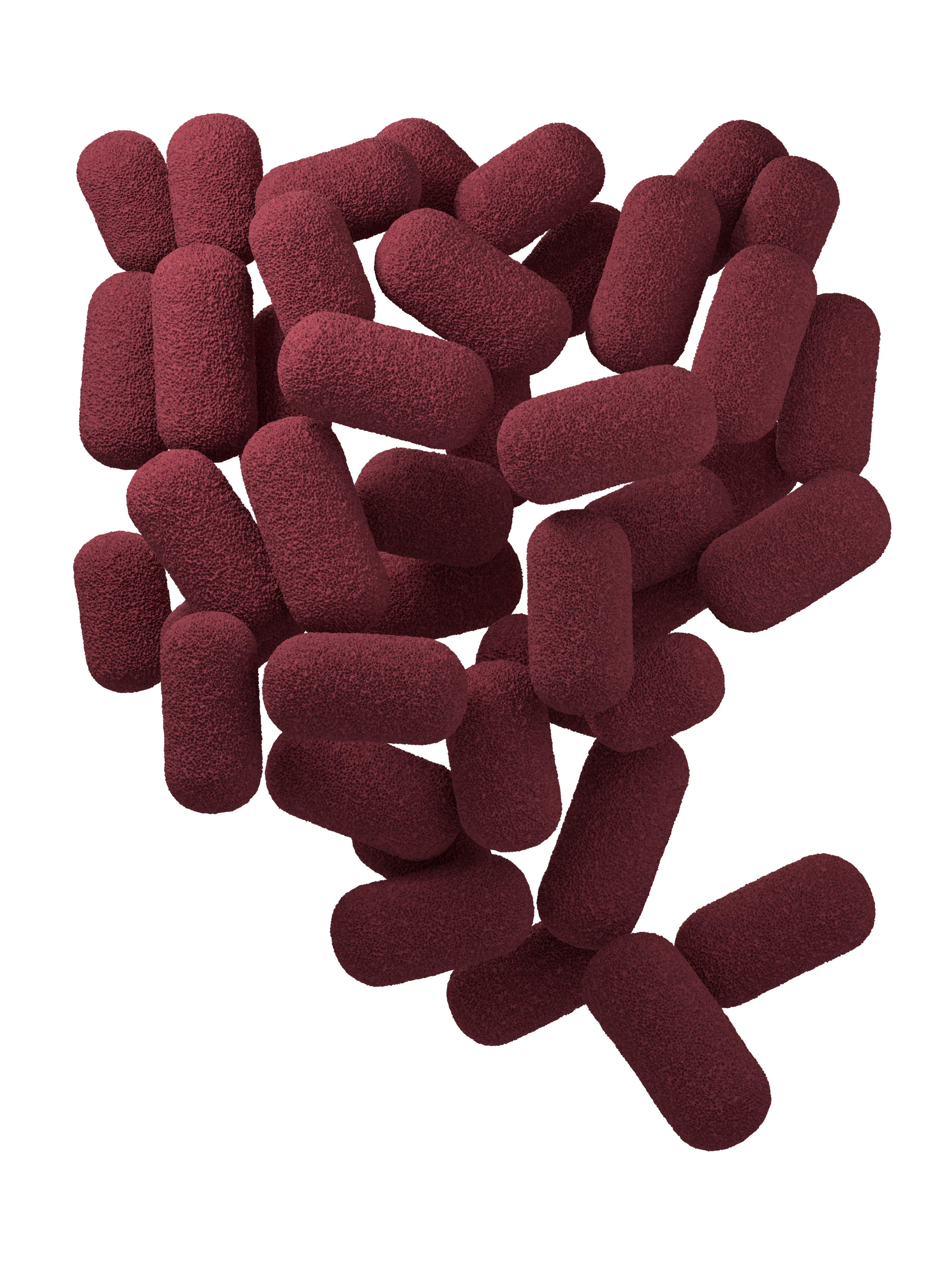
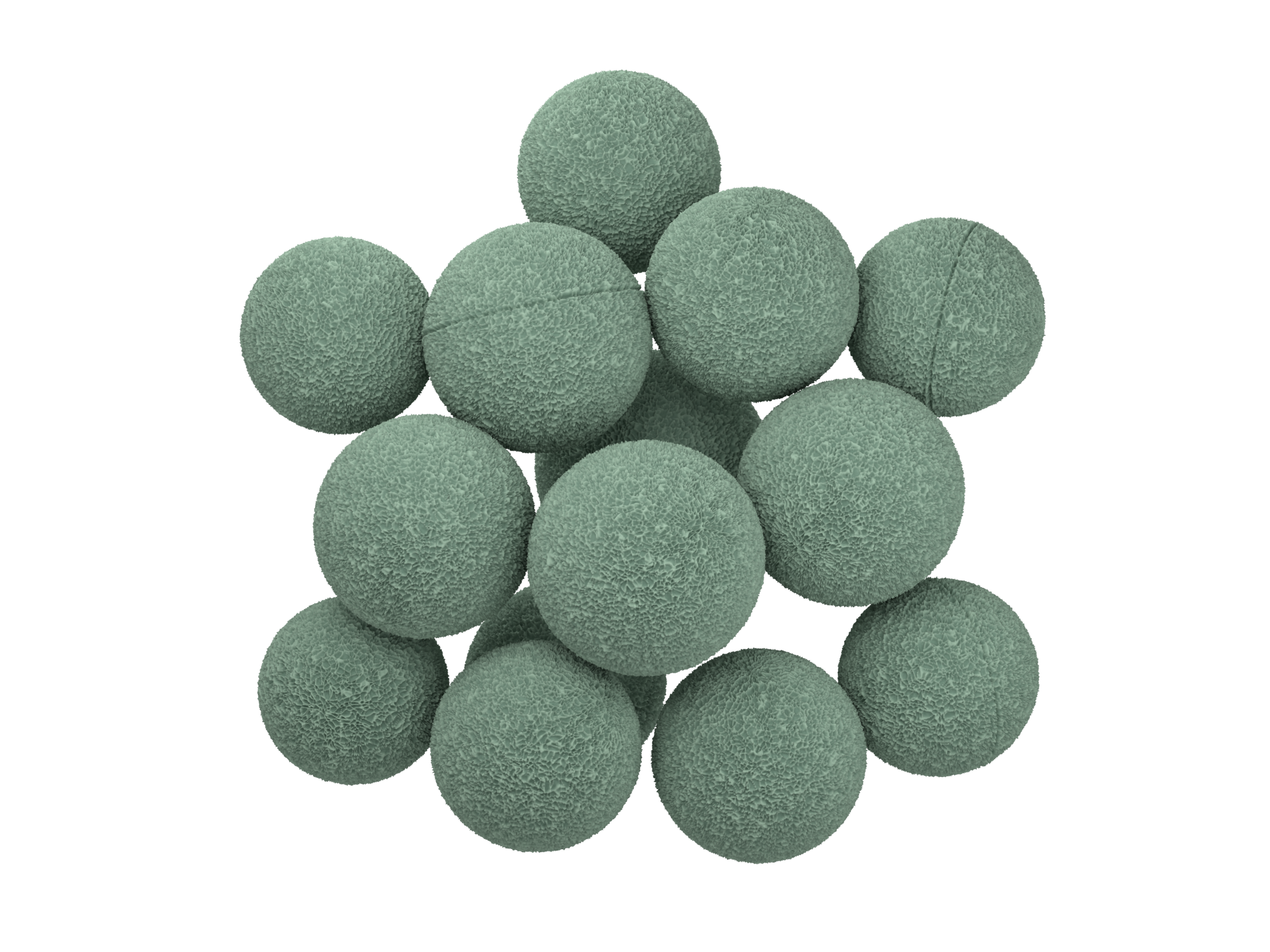
Evolution never stops.Clostridium perfringens, an illustrated cluster.
1945

A warning at the beginning.

In his Nobel lecture, Fleming warns that exposure to insufficient amounts of penicillin can select resistant microbes. Even as antibiotics change medicine, the possibility of resistance is already part of their story.

Nobel Prize · Fleming on resistance
1961

Resistance follows a new antibiotic.

Methicillin-resistant Staphylococcus aureus is reported in England soon after methicillin enters clinical use. The discovery makes the challenge clear: introducing an antibiotic does not end the evolutionary contest with the bacteria it targets.

CDC · The emergence of methicillin resistance
2002

Another line of defense is challenged.

The CDC documents the first US infection caused by vancomycin-resistant Staphylococcus aureus. Resistance now reaches a medicine used against difficult staphylococcal infections, reinforcing the need for prevention, surveillance, and additional treatment options.

CDC · The first US VRSA report
2013

The threat comes into focus.

The CDC publishes its first Antibiotic Resistance Threats report, grouping major resistant organisms by urgency. The report turns a dispersed collection of infections into a national picture that can guide research, investment, and public health action.

CDC · The first resistance threats report
2022

A global burden, measured.

A global analysis published in The Lancet estimates that bacterial antimicrobial resistance directly caused 1.27 million deaths in 2019. The study makes the human cost visible across countries, pathogens, and antibiotic combinations.

The Lancet · Global resistance burden
2024

The search needs more routes.

WHO reports that only two of the 13 antibiotics authorized since July 2017 represent new chemical classes. Its review calls for a stronger pipeline, highlighting the need to explore a wider range of antibacterial approaches.

062022 — today

Organicin

The next chapter begins with a question: what can we discover in the defenses bacteria already produce?

Discovery continues.Biology meets computation.
2022

Organicin Scientific is founded.

Organicin Scientific spins out of Dr. Riley’s laboratory at the University of Massachusetts Amherst. The company begins with a focus on bacteriocins and their potential to address bacterial disease and antibiotic resistance.

Organicin Scientific · Our origins
Today

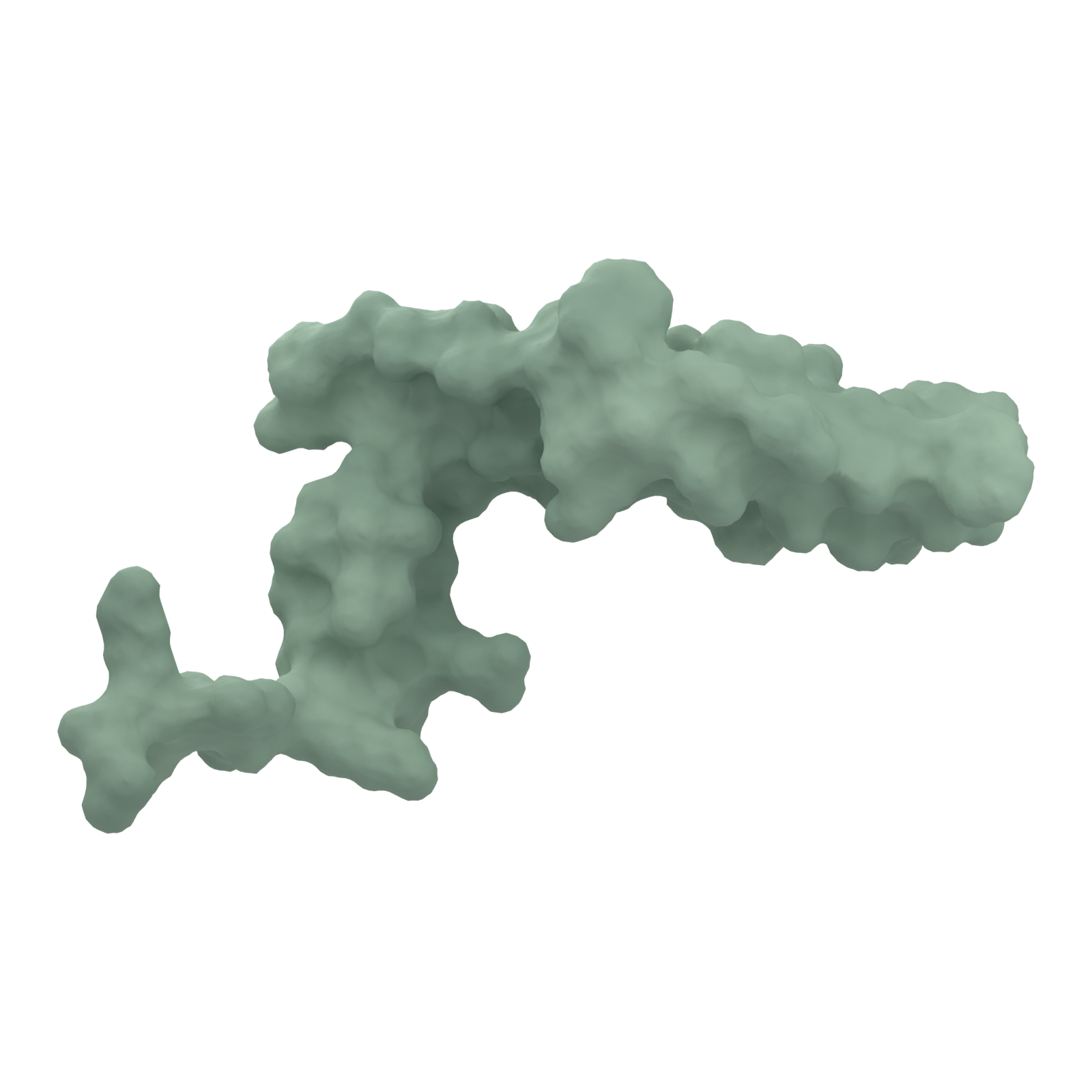
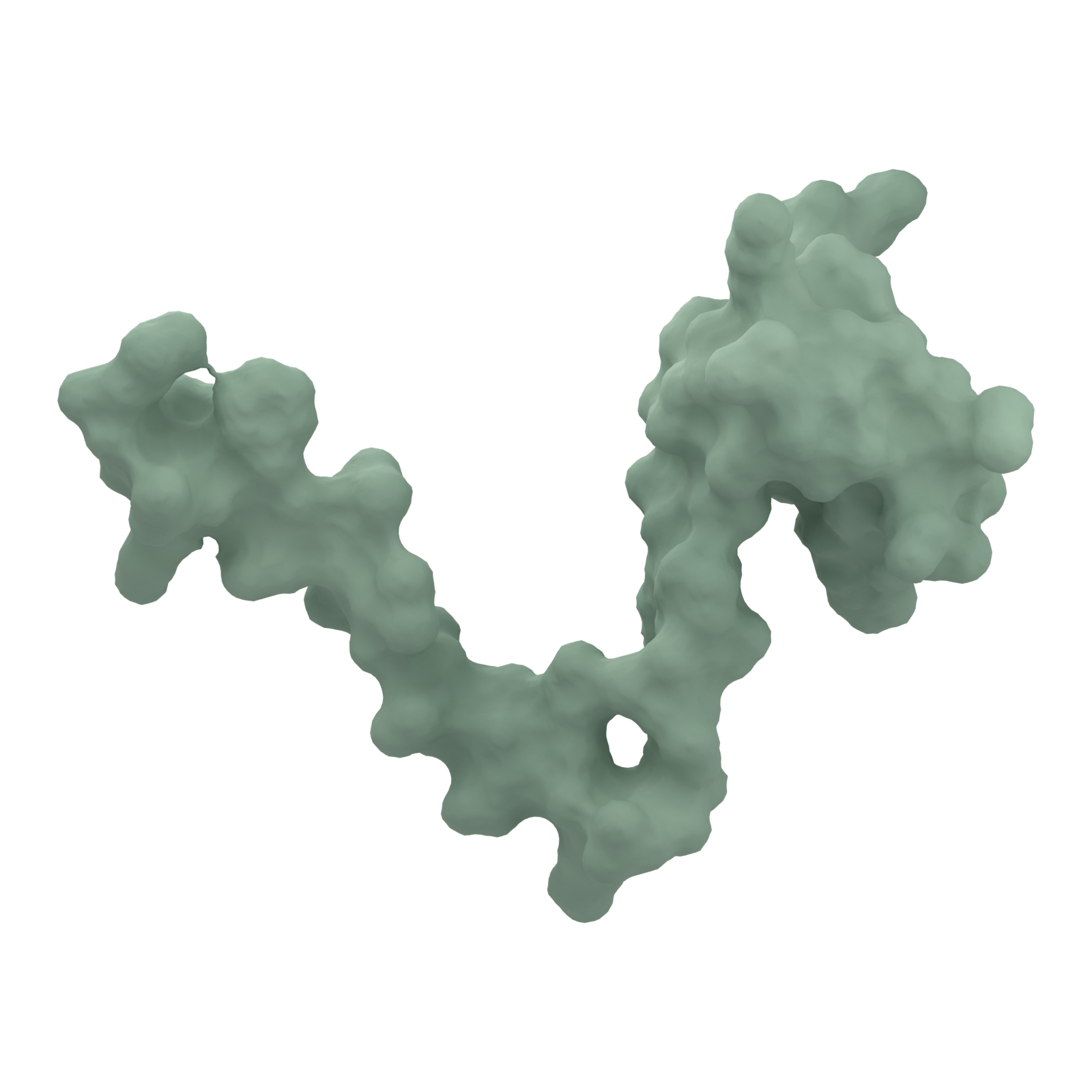
Nature’s possibilities. CinThesis clarity.

CinThesis brings molecular properties, structure, and evolutionary context together to help discover and understand promising bacteriocins. Organicin connects those insights with experimental development, exploring natural candidates for animal health, nutrition, and microbiome applications.

Organicin Scientific · The CinThesis platform
The story continues.

NATURE’S WORK.
OUR NEXT
CHAPTER.

CinThesis connects molecular properties, evolutionary relationships, and predicted structure to help us discover and understand nature’s antimicrobial proteins.